Annual Compliance for Startup India Recognised Companies

Startups are key drivers of innovation, employment generation, and economic growth in India. To operate smoothly and maintain their legal standing, Startup India-recognised entities must comply with various statutory, tax, and regulatory requirements. Staying compliant not only helps avoid penalties and legal complications but also enhances business credibility, supports investor confidence, and ensures continued access to government benefits and incentives. […]

Continue reading »

Complete Guide to Importer of Record (IOR) Services in India: Simplifying International Trade

Introduction International trade between foreign companies and Indian customers has become increasingly complex due to evolving regulations and compliance requirements. For overseas suppliers looking to deliver goods to India, particularly when dealing with unregistered customers or lacking local presence, Importer of Record (IOR) services have emerged as an essential solution for seamless cross-border transactions. Understanding Importer of Record Services What […]

Continue reading »

GST TDS vs Income Tax TDS: Key Differences You Must Know

gst

TDS, or Tax Deducted at Source, is a common term in the world of taxation. But did you know that India has two major types of TDS — one under the Income Tax Act, and another under the Goods and Services Tax (GST) regime? While both are meant to ensure tax compliance and prevent tax evasion, TDS under GST and […]

Continue reading »

GSTR 9 annual return

GSTR 9 annual return

The GSTR-9 annual return is a crucial compliance requirement under the Goods and Services Tax (GST) system in India. It is a consolidated document summarizing a taxpayer’s annual GST transactions. Filing GSTR-9 ensures transparency and helps reconcile the details filed in various GST returns throughout the financial year. Whether you’ve completed GST registration in Coimbatore, GST registration in Chennai, or […]

Continue reading »

Time, Place and Value of Supply in GST

Time, Place and Value of Supply in GST

The Goods and Services Tax (GST) framework in India is built on three fundamental aspects: time, place, and value of supply. These concepts play a vital role in determining the applicability of GST, the state in which tax is to be paid, and the amount of tax to be levied. Businesses must grasp these principles to ensure compliance and avoid […]

Continue reading »

What is SGST, CGST, IGST and UTGST?

What is SGST, CGST, IGST and UTGST?

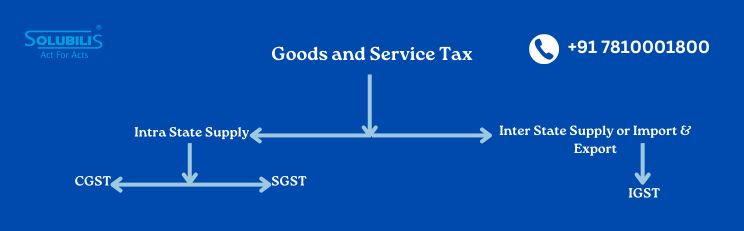
Under GST, determining whether a supply is inter-state or intra-state is essential, as it dictates the applicable tax—Central GST (CGST), State GST (SGST), or Integrated GST (IGST). Proper classification ensures compliance, accurate tax calculation, and timely payment.Inter-State Supply: An inter-state supply of goods or services arises when the supplier’s location and the place of supply are in: Different states Additionally, […]

Continue reading »

What is Reverse Charge Mechanism in GST?

reverse charge mechanism in gst

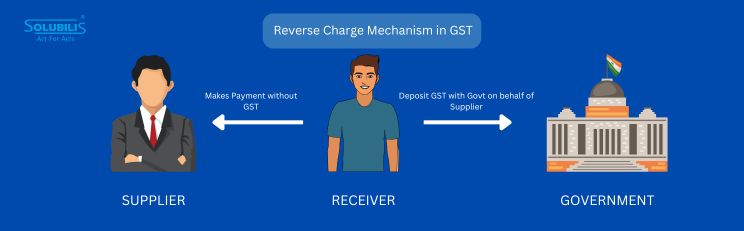
In the Goods and Services Tax (GST) framework, the primary principle is that the supplier of goods or services is responsible for the payment of GST. This rule requires the collection of taxes at the point of origin, which are then remitted to the government. However, there are specific scenarios where this responsibility shifts to the recipient of goods or […]

Continue reading »

How can I register for GST in Bangalore?

How can I register for GST in Bangalore?

In India, the Goods and Services Tax (GST) has simplified the indirect taxation system by replacing multiple taxes levied by the state and central governments. If you are a business owner in Bangalore, understanding how to register for GST is crucial for compliance and seamless operations. This guide provides a step-by-step process to help you navigate through GST registration in […]

Continue reading »

GST return filing for pvt ltd company

GST return filing for pvt ltd company

Introduction GST, an indirect tax, is levied on the provision of goods and services within India. Implemented on July 1, 2017, GST replaced several previous indirect taxes like VAT, service tax, and excise duty. For Private Limited Companies (Pvt Ltd), adhering to GST regulations is critical for legal compliance and smooth business operations. Filing GST returns after getting GST registration […]

Continue reading »
1 2